

Clay soil is one of the most common, and most misunderstood, soil types across Australian farmland, gardens and construction sites. While clay holds nutrients and water well, its dense structure can cause drainage problems, compaction and root restriction if left untreated. Understanding how to manage clay soil is essential for growers, land managers and developers working across Australia’s clay-heavy regions.
At Ultimate Agri Products, we have helped Australian growers and land managers improve difficult soils, including heavy clay, since 1997.
Clay soil is made up of very fine mineral particles, smaller than silt or sand, which pack tightly together. This gives clay soil several defining characteristics.
Clay and clay-loam soils are widespread across many of Australia’s key agricultural regions, including parts of Victoria’s Western District, the Riverina in NSW, sections of South Australia’s Mid North, and much of southeast Queensland. Many of these soils are also sodic. That means they have high sodium levels that further degrade structure, causing crusting, poor water infiltration and increased erosion risk.
Left unmanaged, clay soil can limit productivity in several ways.
With over 25 years of experience supporting Australian growers, Ultimate Agri Products can help you identify whether your clay soil issues are structural, sodic or pH-related, and recommend the right treatment program. Get in touch to discuss your soil improvement needs.
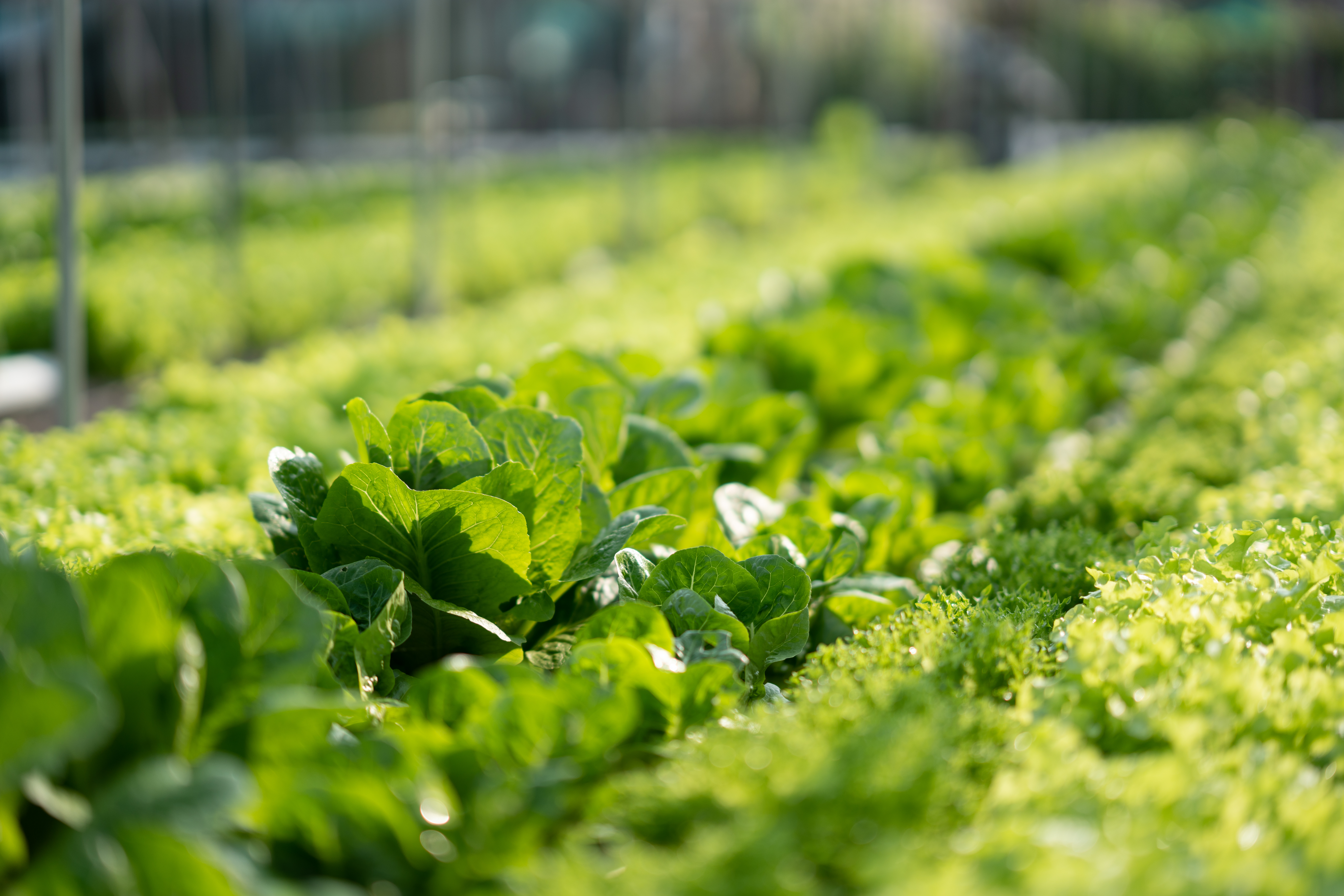
The good news is that clay soil is not a lost cause. With the right treatment, its high nutrient-holding capacity can actually become an advantage. Common improvement strategies include the following.
For sodic and compacted clay soils, gypsum remains one of the most effective and widely used treatments in Australian agriculture. Products like GYP-FLO work by supplying calcium, which displaces sodium in the soil structure, allowing clay particles to aggregate properly. This improves water infiltration, reduces surface crusting and makes the soil easier to work, without the pH-altering effects of lime.
Where pH correction is also needed alongside structural improvement, PH-PLUS and DOLOMITE PLUS can be used in combination with gypsum-based treatments for a more complete soil correction program.
If you want to improve crop performance and maximise farm productivity, contact Ultimate Agri today. Our agricultural experts are ready to help you choose the right Agri Crop Solutions for your farm.

Clay soil is not inherently bad. It holds nutrients and water well, which can be an advantage. The main issues are drainage, compaction and sodicity, all of which can be managed with the right treatment, such as gypsum application and organic matter additions.
Yes, particularly on sodic clay soils. Gypsum supplies calcium that displaces sodium, allowing soil particles to bind into stable aggregates, which improves drainage, reduces crusting and makes the soil easier to cultivate.
A lab-based soil test measuring sodium levels and structural stability is the most reliable way to confirm sodicity. Visual signs include surface crusting, poor water infiltration and waterlogging after rain.
Some crops tolerate clay soil better than others, but most benefit from structural improvement first. Untreated compacted or sodic clay can significantly limit root growth and yield potential.
Visible improvements in drainage and workability can appear within one growing season, though full structural improvement in heavily sodic clay may take one to two years of consistent application, depending on soil depth and starting condition.